Emergency Resolution Introduced at Alaska Federation of Natives Convention Calls on Congress to Withdraw or Revise the Section 106 of Federal Permitting Reform Legislation
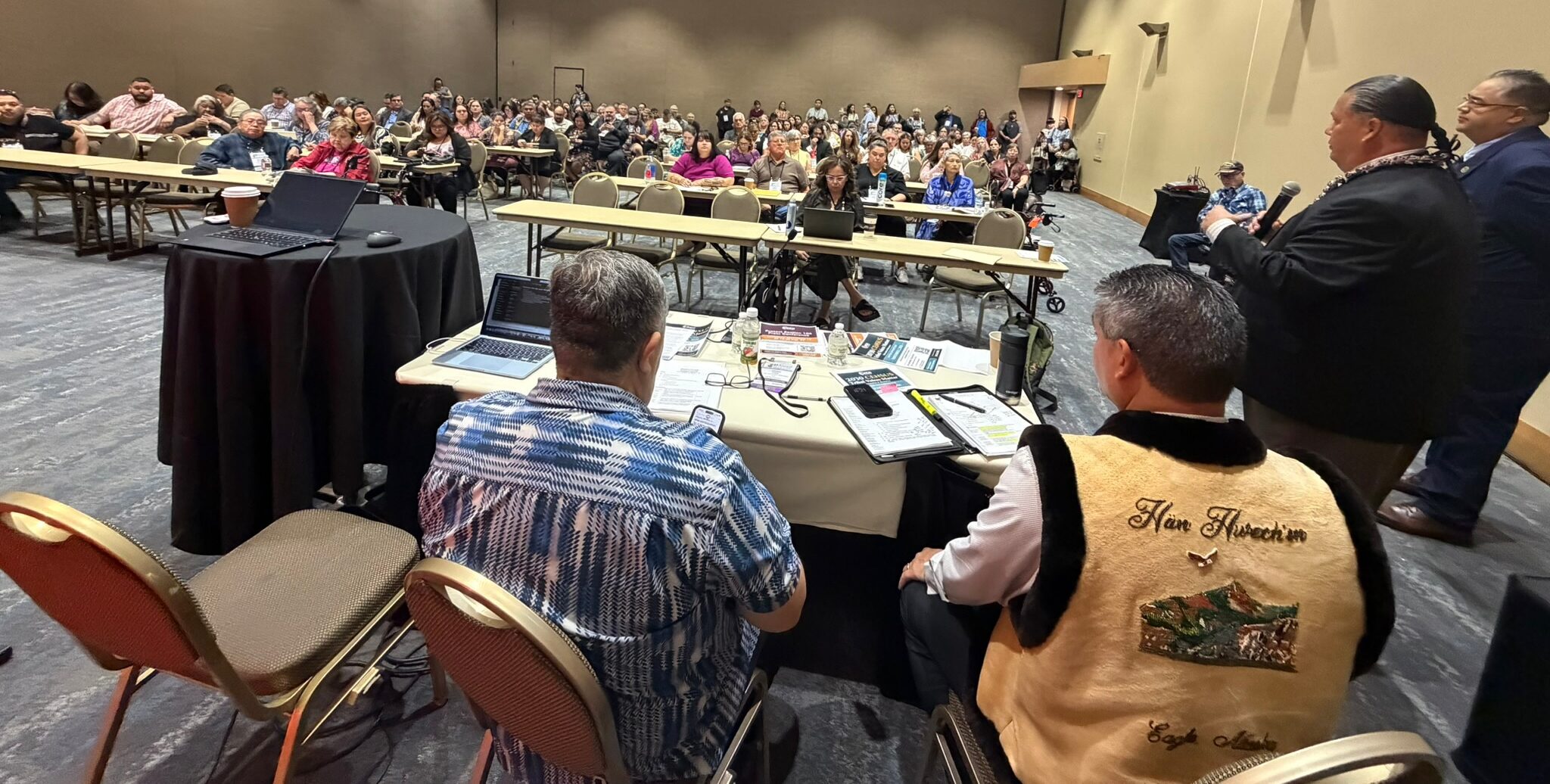
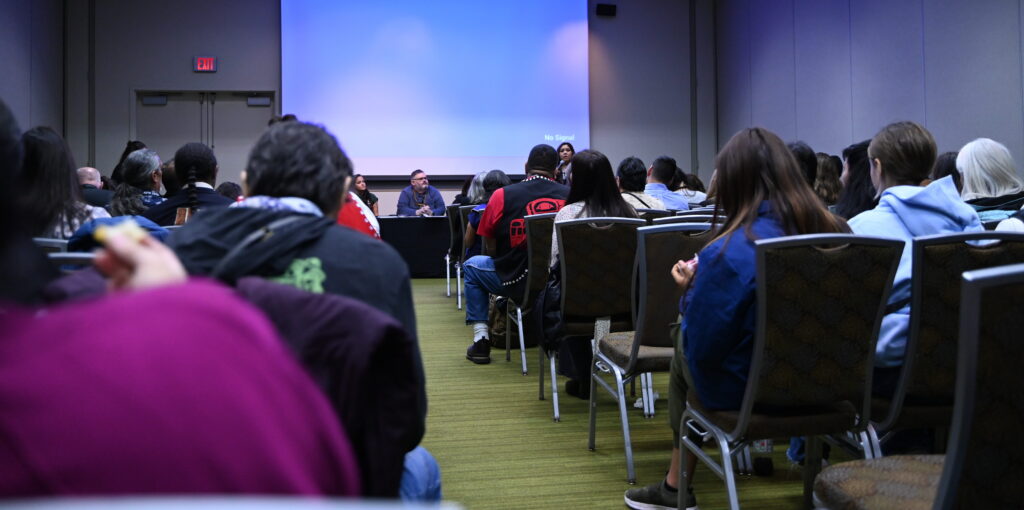
These concerns were elevated during the Alaska Federation of Natives (AFN) Convention, where an emergency resolution was introduced by the Southeast Alaska regional caucus, titled “Calling on Congress to Protect Tribal Sovereignty and Withdraw or Revise the Section 106 of the Bipartisan American Affordability and Jobs Act (BAAJA).”
While the proposed legislation seeks to streamline federal permitting processes and accelerate economic development, Alaska Tribes and Native Corporations are raising serious concerns about provisions that could undermine longstanding federal protections, diminish the role of Tribal Nations in decisions affecting their ancestral homelands and establish a troubling precedent across Indian Country.
The United States (U.S.) Senate is scheduled to take a cloture vote on the Motion to Proceed to this measure on November 9, the introduction of the emergency resolution underscores the urgency of addressing proposed changes to federal law before they advance and highlights the importance of a unified Tribal voice in protecting government-to-government consultation and the federal trust responsibility.
Protecting a Fundamental Federal Responsibility
The introduction of the emergency resolution at AFN reflects concerns that extend far beyond the proposed legislation itself.
By calling on Congress to withdraw Title III of BAAJA, the resolution seeks to protect not only existing safeguards under the National Historic Preservation Act, but also the broader principle of meaningful government-to-government consultation between the U.S. and Tribal Nations.
For Tlingit & Haida, the concern is the precedent that could be established if Congress allows consultation requirements to be weakened in the interest of accelerating federal permitting decisions. While Tlingit & Haida urges Congress to withdraw Title III of the proposed Act, the AFN resolution more gently calls for the Alaska Congressional Delegation to advocate for revisions to the Section 106 provisions of S. 5653 that strengthen the Tribal consultation process, and to work with Alaska Tribal leaders in developing those revisions.
Meaningful Tribal consultation is not limited to historic preservation. It is an essential part of the federal government’s relationship with sovereign Tribal Nations and applies across federal responsibilities involving lands, natural resources, environmental protection, cultural preservation and other decisions affecting Tribal rights and interests, as required by applicable law and policy.
Weakening consultation requirements in one area of federal law could open the door to similar changes elsewhere, gradually eroding the federal government’s obligations to Tribal Nations.
Withdrawing Title III would preserve existing statutory safeguards and reinforce the principle that federal agencies must respect Tribal sovereignty and uphold their consultation responsibilities.
Tlingit & Haida maintains that economic development and permitting reform can move forward without compromising these fundamental protections. Tribal Nations must remain meaningful partners in federal decisions affecting their people, homelands and future generations.
Protecting More Than Historic Sites
Across Southeast Alaska, the connection between Tribal communities and their ancestral homelands extends far beyond individual archaeological sites.
Salmon-bearing streams, traditional harvesting areas, sacred places, burial grounds, forests and waterways are part of interconnected cultural landscapes that have sustained Tlingit and Haida people for generations.
BAAJA also proposes changes affecting environmental review, water quality protections, endangered species consultation and access to judicial review. Together, these changes could reduce opportunities for Tribal Nations to identify and address impacts before federal decisions are finalized.
For communities that depend on healthy lands and waters for traditional foods, cultural practices and future generations, the consequences could be lasting and irreversible.
Elevating Tribal Concerns Through Collective Advocacy
The introduction of the emergency resolution at AFN, as well as multiple NCAI opposing the Act in the same week, reflects the broader significance of the proposed legislation and the need for Tribal Nations to be meaningfully involved in federal policy decisions.
Tlingit & Haida calls on Congress to protect Tribal sovereignty and withdraw Title III of BAAJA, which contains proposed changes to historic preservation protections and Tribal consultation processes.
Rather than waiting until legislation advances or protections are weakened, Tlingit & Haida is working to elevate these concerns and reinforce the importance of early, meaningful engagement with Tribal Nations.
The Tribe’s advocacy priorities include preserving government-to-government consultation, protecting the authority and capacity of Tribal Historic Preservation Offices, maintaining safeguards for clean water, salmon and subsistence resources, and ensuring Tribal Nations retain meaningful access to judicial review.
A National Issue for Indian Country
Although the proposed legislation would have significant implications for Alaska, the concerns extend throughout Indian Country. At last week’s Annual Convention of the National Congress of American Indians (NCAI), two resolutions related to this Act were adopted.
Changes that weaken Tribal consultation in one federal permitting process could establish a precedent for diminishing the federal government’s responsibilities to Tribal Nations more broadly.
Tlingit & Haida is urging Congress to oppose BAAJA in its current form unless the harmful provisions are removed or meaningfully revised through direct consultation with Tribal Nations.
Protecting Tribal sovereignty means ensuring Tribal governments have a meaningful voice before decisions are made, not simply an opportunity to respond after decisions are already moving forward.
Moving Forward Together
Tlingit & Haida encourages Tribal Citizens, Tribal governments and community partners to learn more about the proposed legislation and engage with their congressional representatives on the importance of protecting Tribal sovereignty and consultation requirements – BEFORE NOVEMBER 9th.
The Tribe’s position is clear: Federal permitting reform and economic development must respect Tribal Nations as sovereign governments and uphold existing federal responsibilities.
The decisions made today will shape the protections available to Tribal Nations for generations to come. Tlingit & Haida remains committed to advocating for policies that honor Tribal sovereignty and safeguard the sacred places, lands and waters entrusted to future generations.