Mariculture (farming seaweed and/or shellfish) has seen significant growth in Southeast Alaska over the last decade, with political and financial support coming from both the state of Alaska and the federal government through the Build Back Better Regional Challenge. While this growing industry can offer a great financial opportunity for rural Alaskans, its development can lead to conflict with other uses, including subsistence fisheries. As this industry grows, it’s important to ensure tribes are consulted and their needs are considered in assessing development impacts.
In September 2025, Alaska Sea Grant State Fellow and Tlingit & Haida employee Noah Meyer published a report on marine farm permitting and how Alaska Native tribes are included in that process.
The review assesses how state and federal agencies include, or fail to include, tribal voices, Traditional Ecological Knowledge (TEK) and respect for tribal sovereignty. It also compares Alaska’s approach with other states such as California and the province of British Columbia.
Key Findings in the Report:
- Tribal consultation is weak and overly dependent on public comment.
- Tribal sovereignty is largely unacknowledged; only the U.S. Army Corps of Engineers references tribal rights in permits.
- Traditional Ecological Knowledge (TEK) is not explicitly recognized or cited in statutes, applications, or review criteria.
- Federal trust obligations, including subsistence priority under ANILCA, are not fully upheld in current mariculture permitting.
- Stronger models exist elsewhere: British Columbia sets clear expectations for consultation and sovereignty, and states like California more effectively include tribes in permitting processes.
The report also makes a series of recommendations to both agency and tribal leadership that are aimed to better include Alaska tribes in the permitting process going forward. These proposals range from small changes and projects at the regional and state level to major steps for the preservation and inclusion of Indigenous Knowledge.
Click here to read the full report.
About the Author
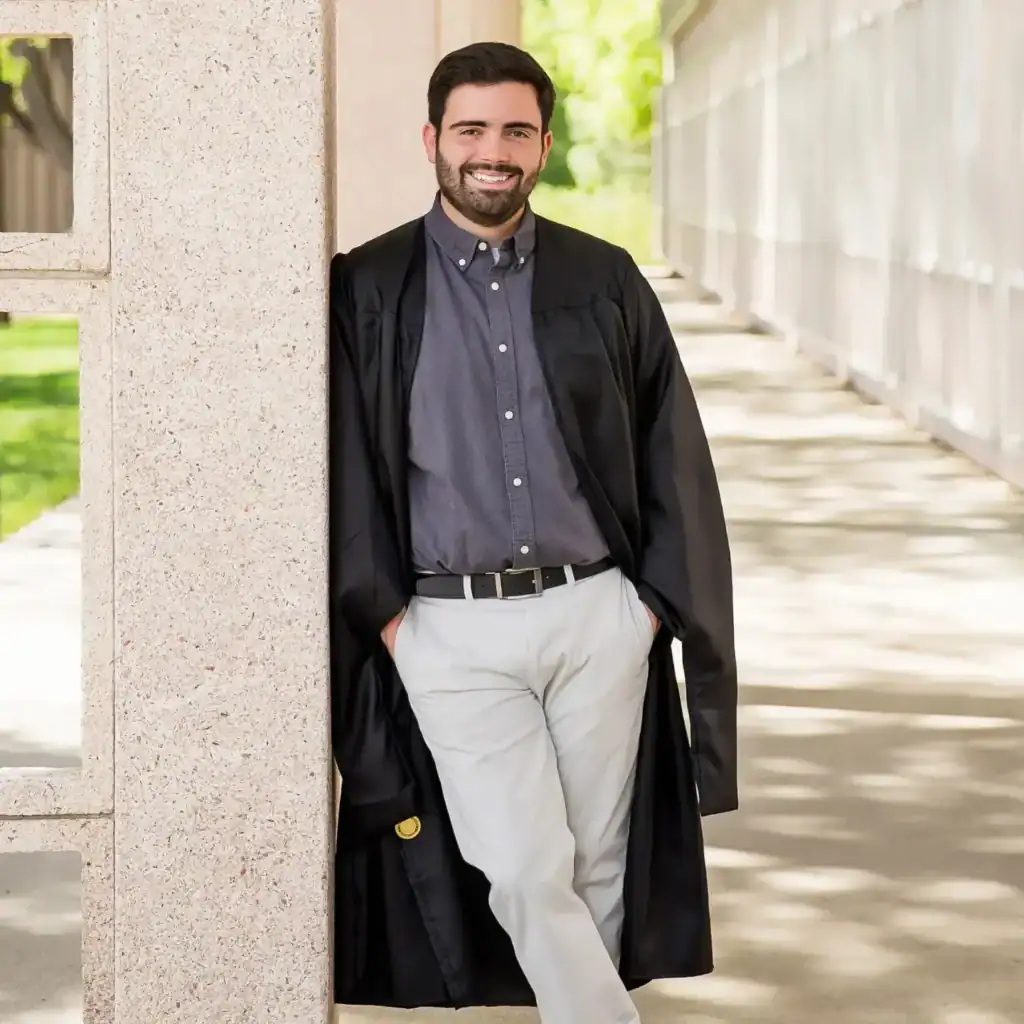
Noah Meyer is a former Alaska Sea Grant State Fellow with Tlingit & Haida, working in the Indigenous Stewardship Division. His work focuses on developing tools and resources that support communities in mariculture. He holds a master’s degree in Global Environmental Affairs from the University of Denver’s Josef Korbel School of International Relations and applies his studies in environmental conflict and resource security.