Tlingit & Haida applauds U.S. Senators Lisa Murkowski and Dan Sullivan who sent a letter last week to federal cabinet officials regarding transboundary mining pollution from British Columbia into Alaska.
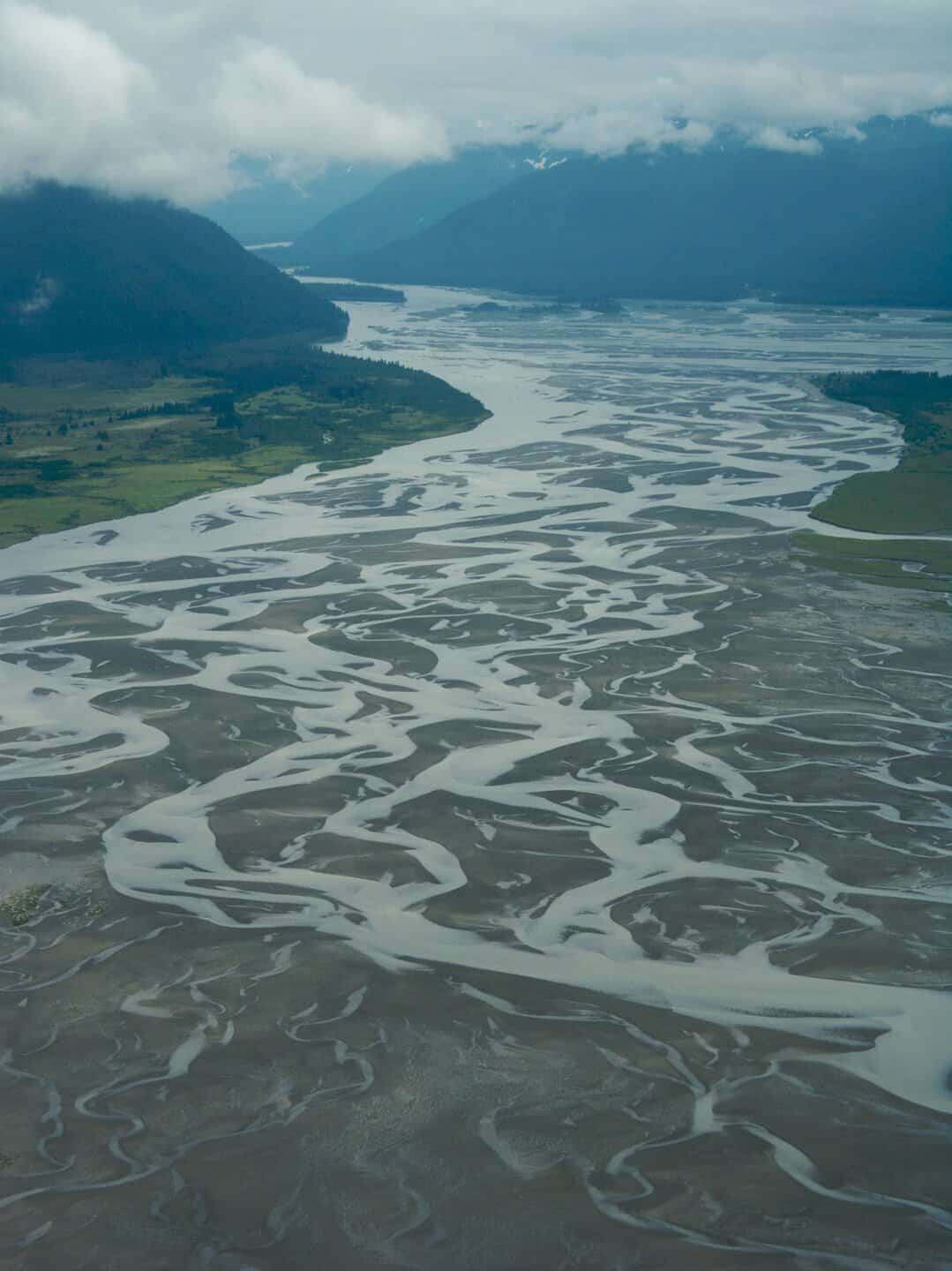
Tlingit & Haida appreciates the delegation’s continued attention to the serious and longstanding risks posed by acid-generating mines in Southeast Alaska’s largest salmon producing rivers. For decades, tribes and downstream communities have raised alarm about the contamination of shared watersheds, including the ongoing discharge from the abandoned Tulsequah Chief mine in the Taku River watershed and the risks posed by new large-scale mining projects in British Columbia.
“These rivers are not political chips, they are our homelands,” said Tlingit & Haida President Chalyee Éesh Richard Peterson. “The traditional homelands and waters of Southeast Alaska sustain salmon, our economies, and way of life. Any solution must include binding, enforceable protections, not voluntary agreements or information-sharing alone.”
While the current memorandum of understanding between the State of Alaska and British Columbia allows for communication, it does not guarantee that U.S. or Tribal concerns will influence permitting decisions across the border or ensure liability. Tlingit & Haida agrees binding mechanisms are necessary, including enforceable cleanup obligations, adequate reclamation bonding, and formal dispute resolution processes under existing treaties.
However, meaningful reform must also include direct and durable Indigenous involvement in governance. Alaska tribes are not stakeholders, they are sovereign governments whose people live downstream and bear the consequences of industry contamination. Indigenous knowledge, monitoring and consultation must be embedded within any framework governing transboundary mining.
“With British Columbia’s recent move to rewrite its laws in a way that could block U.S. tribes from being recognized as Indigenous sovereign nations, it is more important than ever the federal government uphold its trust responsibility to Tribal Nations. Binding, enforceable international protections, supported by a multinational body with real authority, are necessary to protect downstream communities. Without those safeguards, Alaskans remain at risk,” said Peterson.
Acid-generating mines present long-term risks that extend well beyond the life of the project. Tailings dam failures and perpetual water treatment obligations create intergenerational liabilities. Without enforceable standards and financial assurances that meet or exceed Alaska’s requirements, downstream communities remain vulnerable.
Tlingit & Haida calls on federal officials to:
- Establish binding, enforceable liability protections under existing treaties;
- Require full cleanup of abandoned and polluting mine sites, including Tulsequah Chief;
- Ensure full reclamation bonding and financial assurances for projects near transboundary watersheds are secured to cover worst-case scenarios; and
- Formalize Indigenous government-to-government participation in transboundary mining oversight, monitoring, and dispute resolution.
“Alaskans downstream deserve certainty,” Peterson added. “Our salmon, fisheries, and cultures cannot depend on goodwill alone. We need enforceable protections and a permanent seat at the decision-making table.”
Tlingit & Haida remains committed to working with federal, state, Indigenous, and international partners to safeguard the vitality of our region’s largest salmon producing rivers for generations to come.
Additional Information: