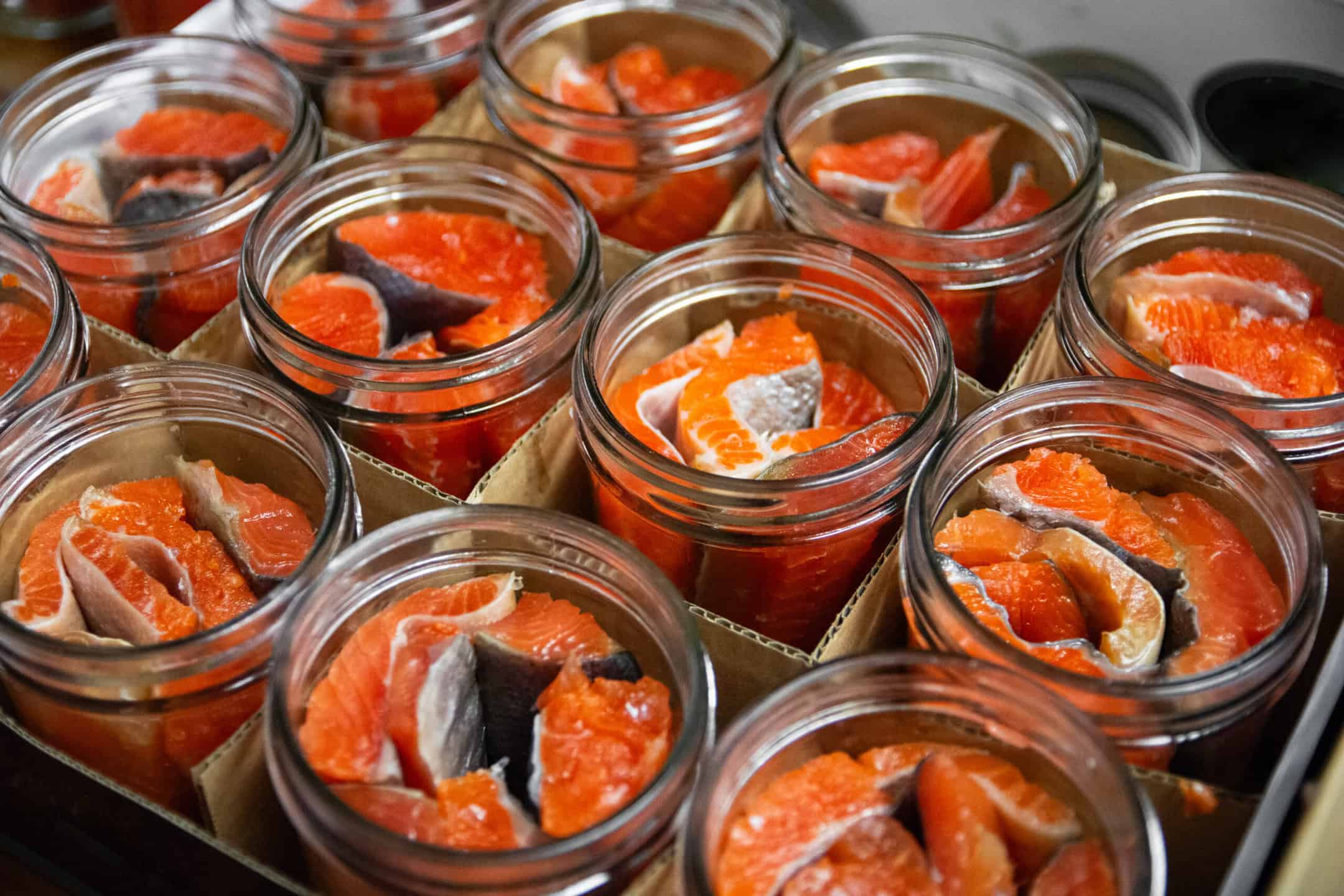
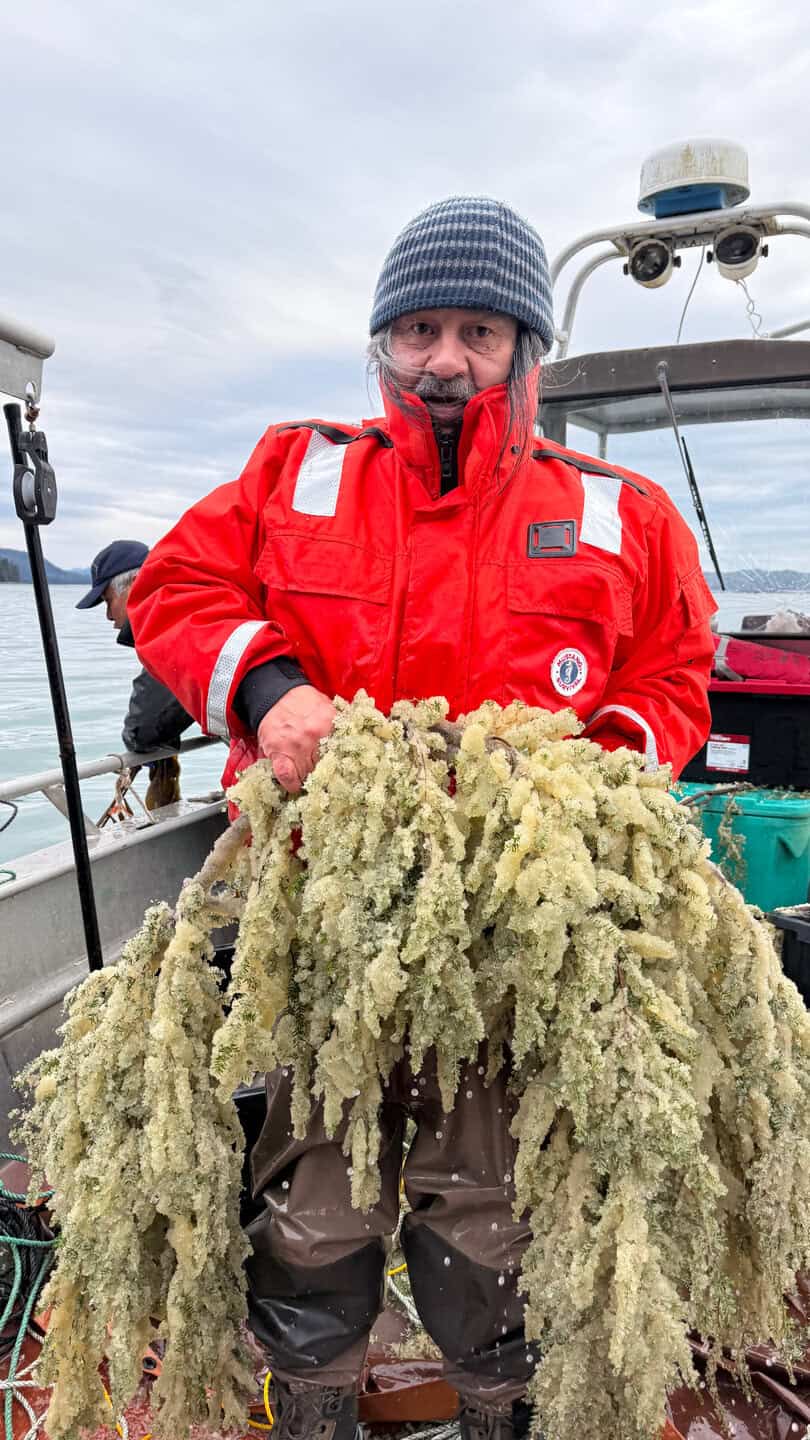
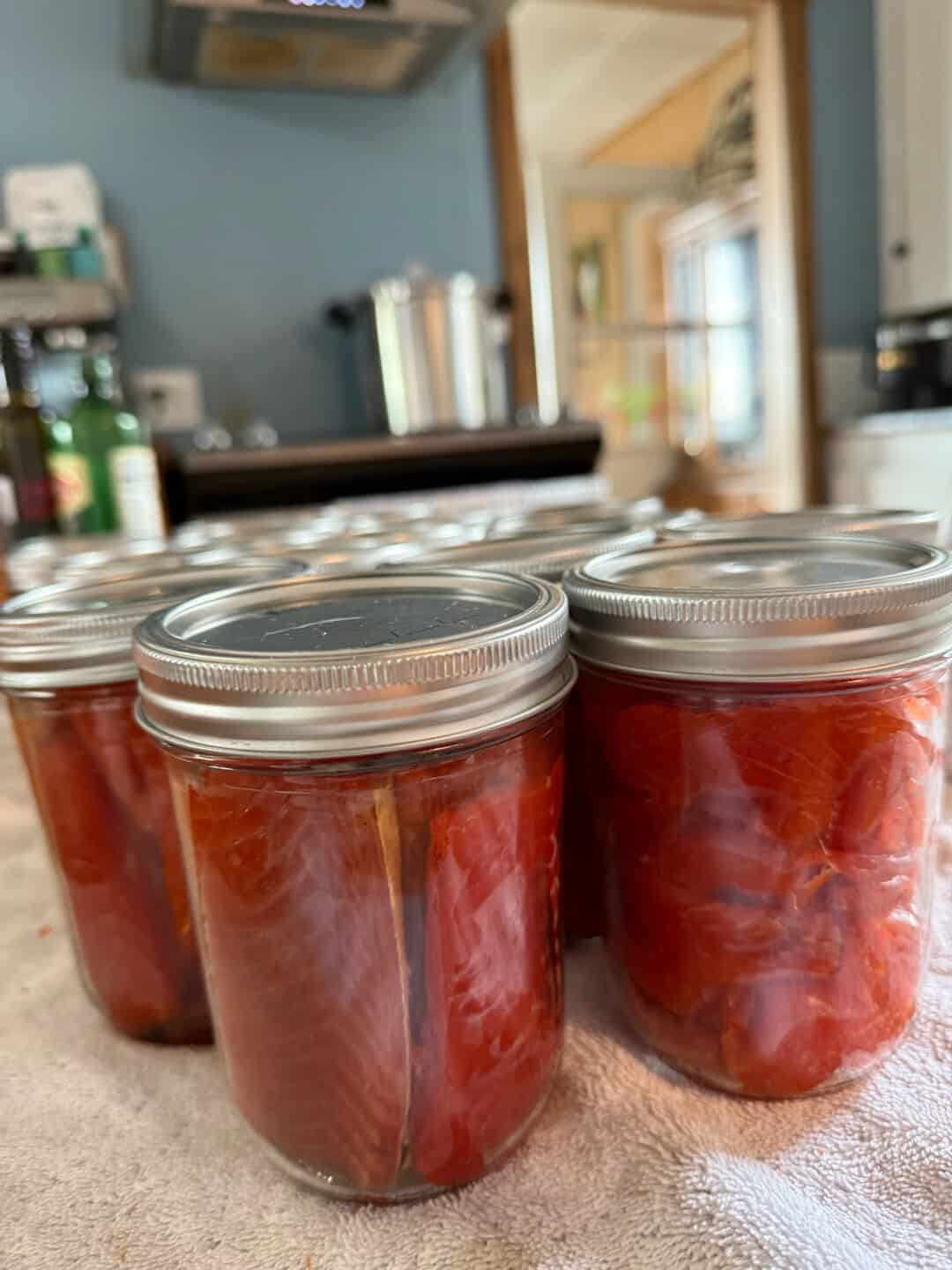
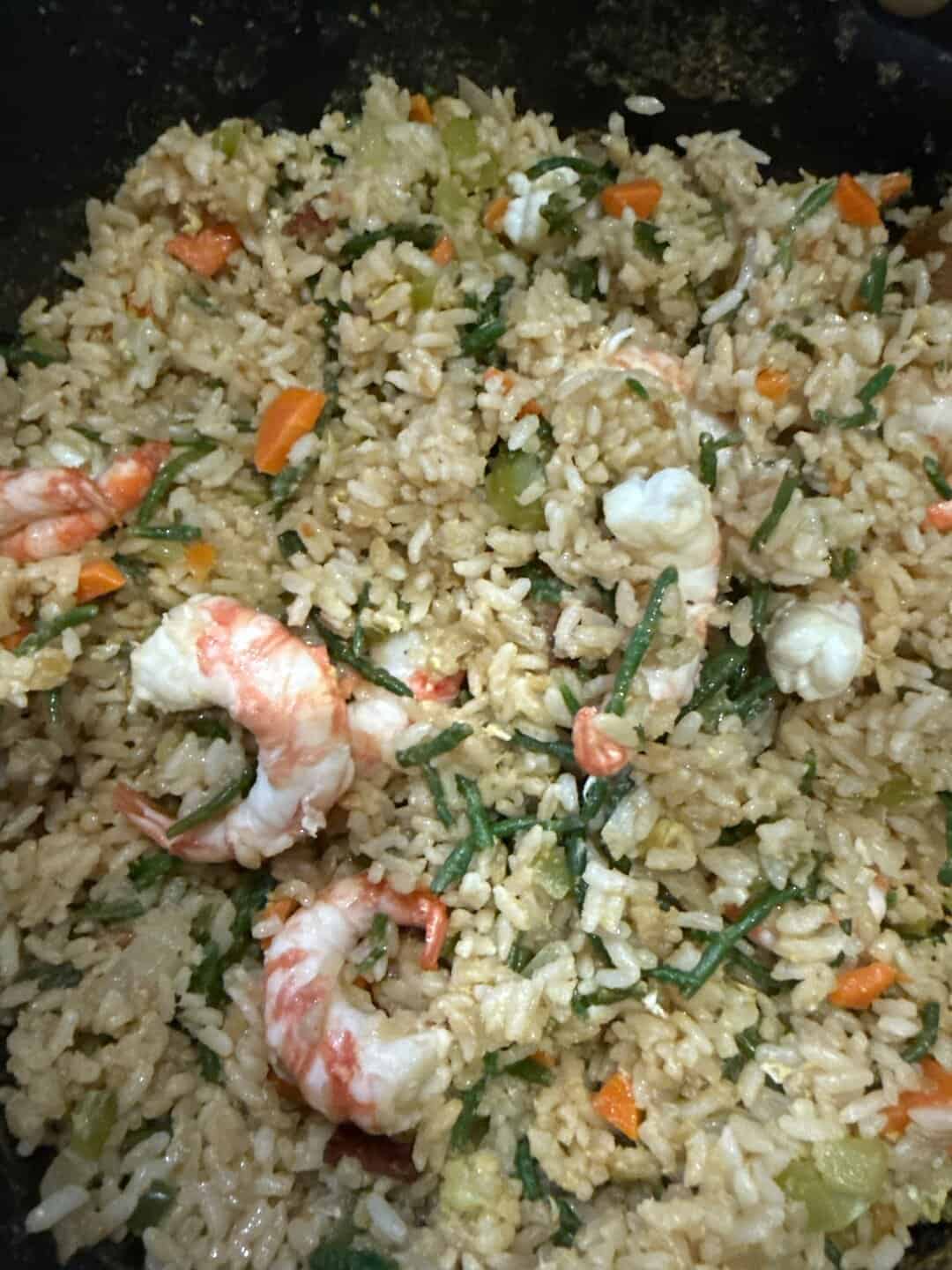
The Traditional Foods Security Program supports initiatives to reduce reliance on continental U.S. food systems through the promotion of Indigenous food sovereignty. We encourage self-sufficiency by removing barriers between traditional foods and tribal citizens and reviving the skills that have supported our communities since time immemorial. Our efforts include:
- Collecting and sharing traditional knowledge
- Hosting hands-on demonstrations
- Supporting youth with holistic harvesting practices
- Educating tribal citizens on how traditional foods impact our culture
- Providing crucial safety training in rural communities
- Managing a Tribe-wide traditional food distribution program
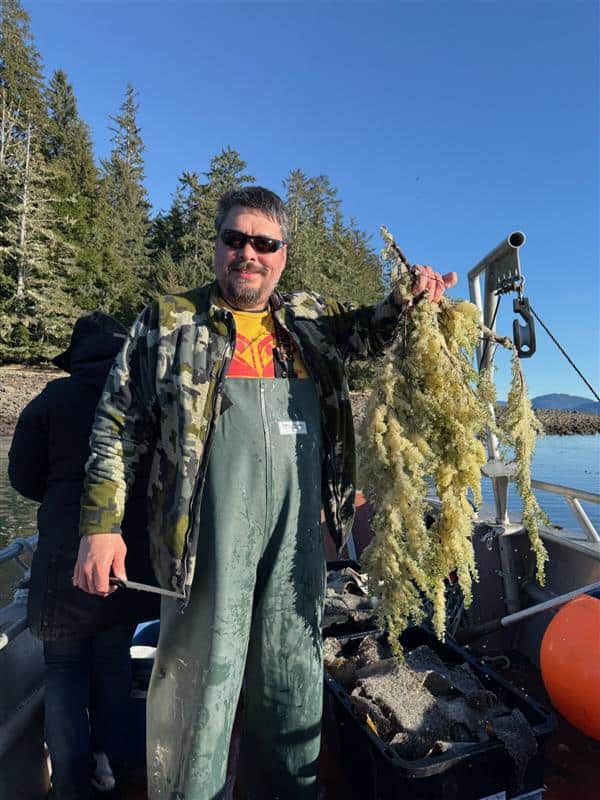
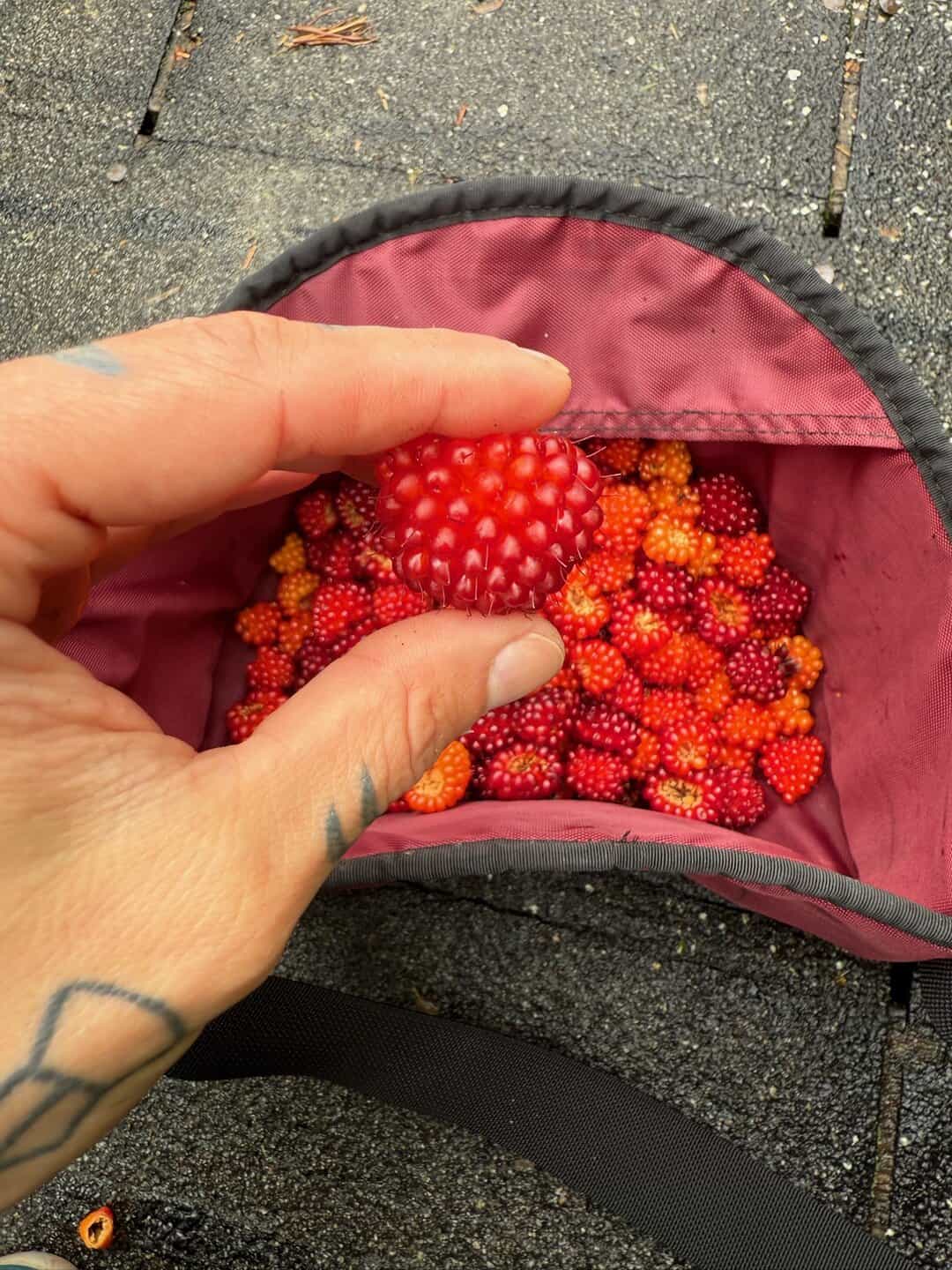
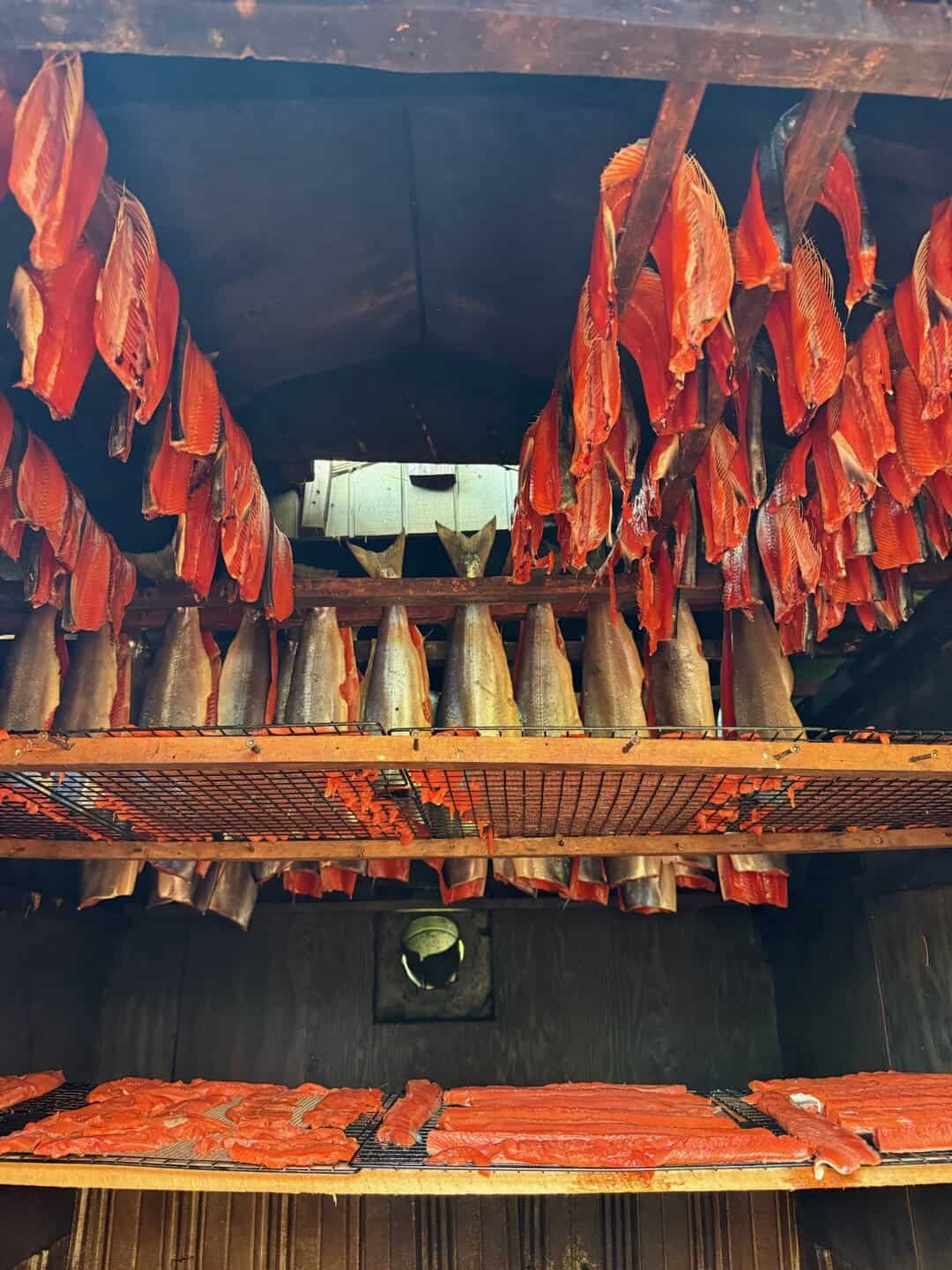
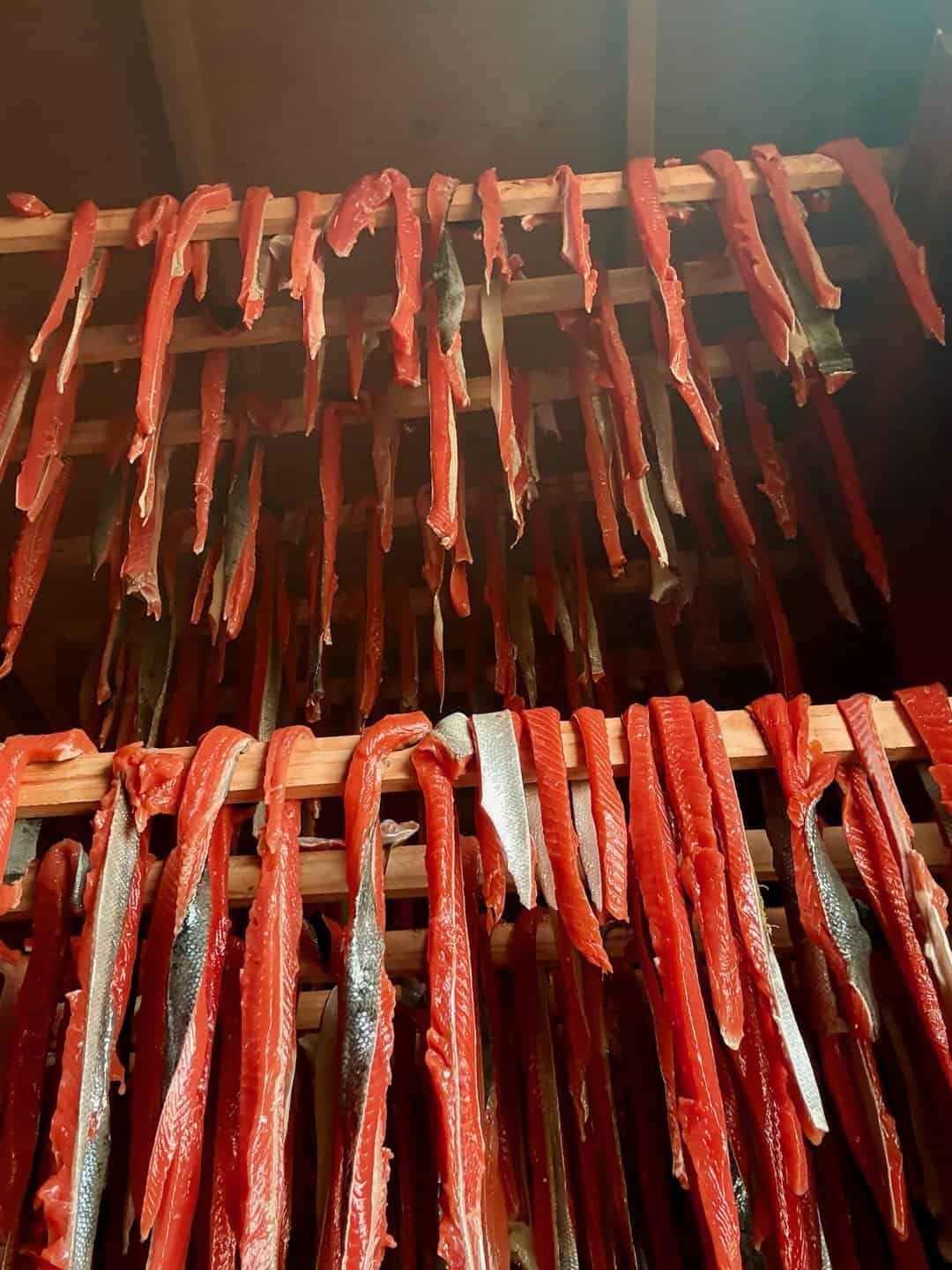
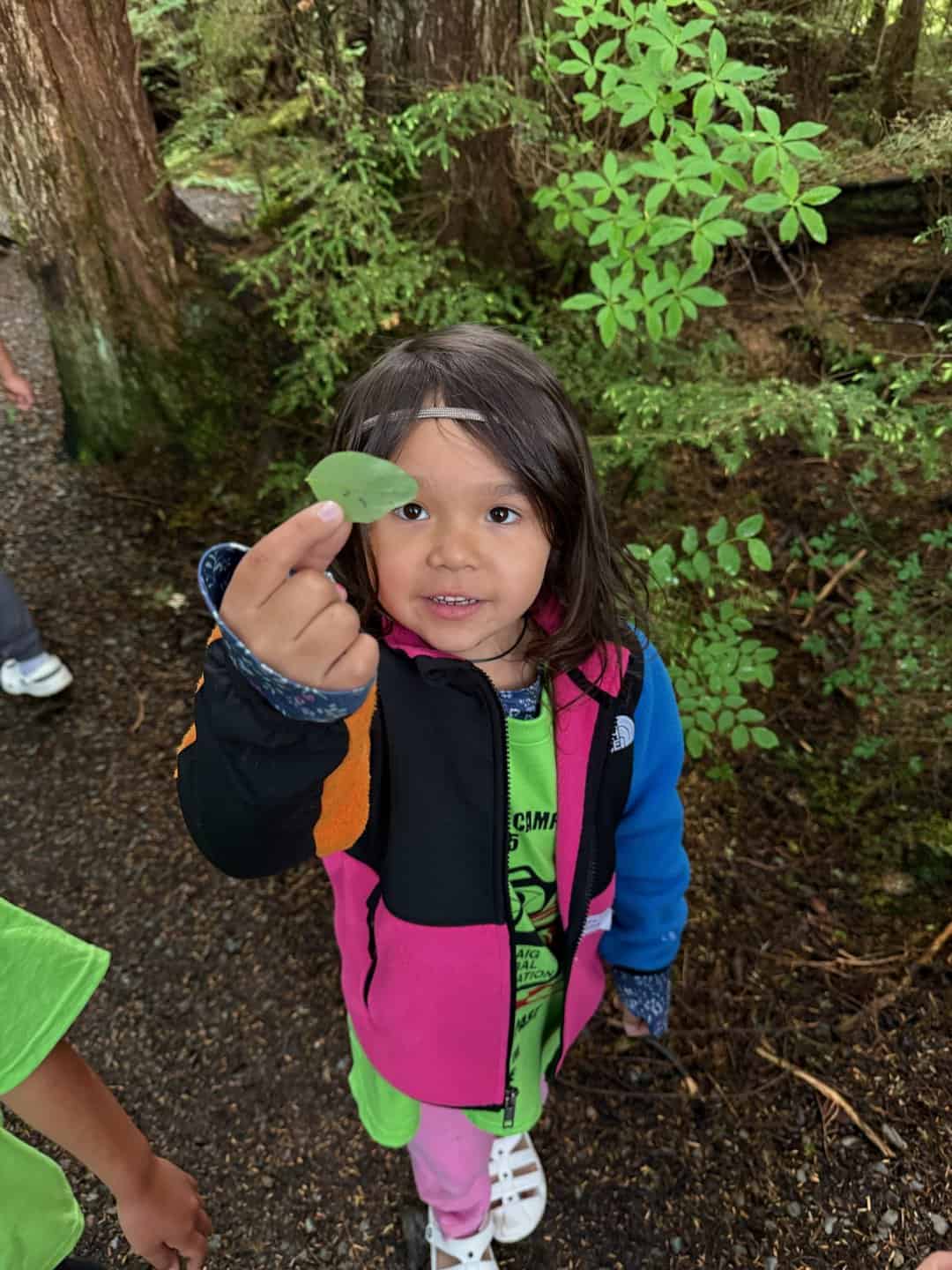
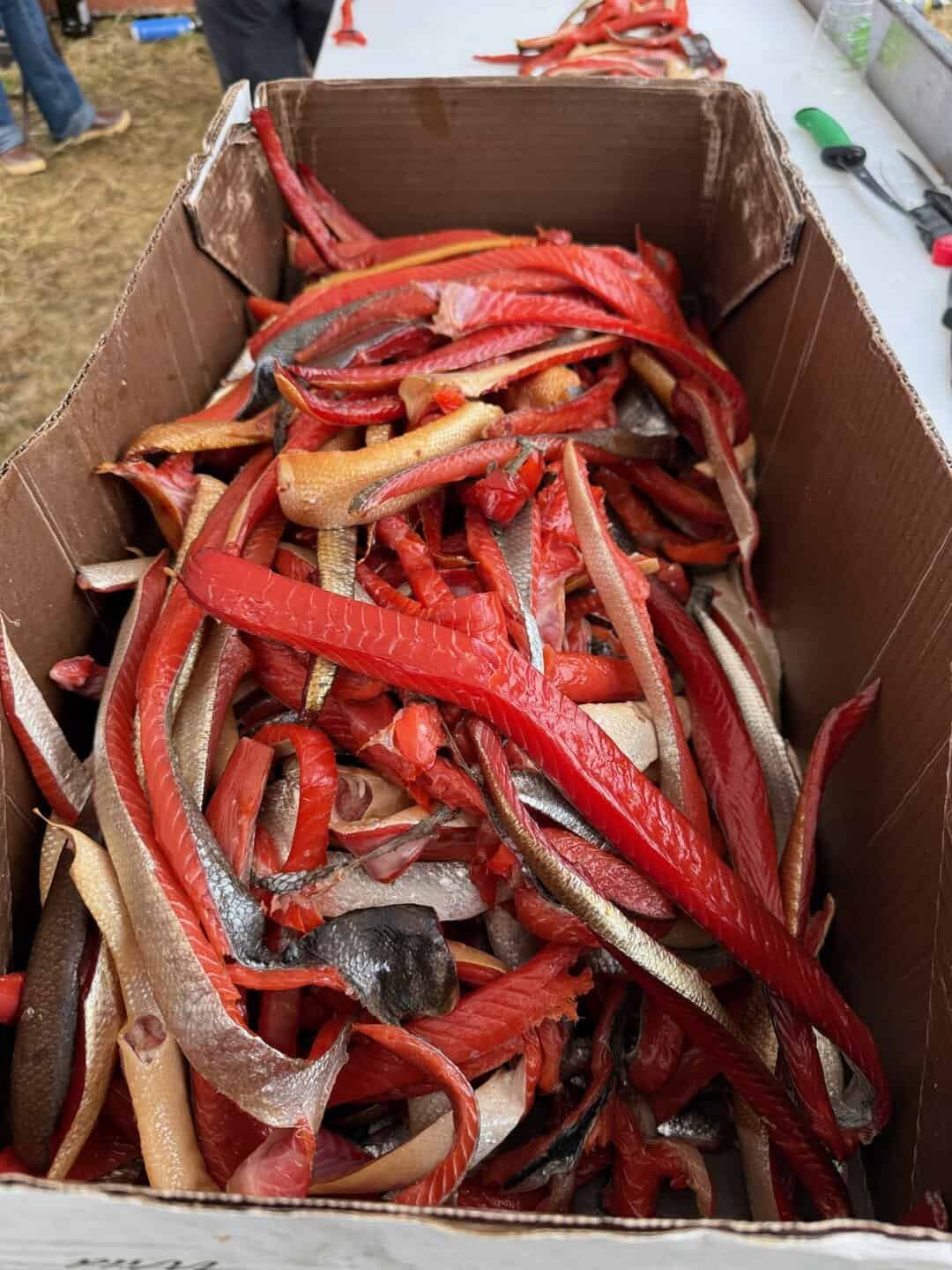
What We Do
Tlingit & Haida Traditional Food Security team looks for opportunity to support community and cultural events when funding or resources allow.
The Traditional Food Security team works closely with Tlingit & Haida Community Councils to support traditional and cultural practices and help ensure the success of community gatherings and events.
Tlingit & Haida Community Councils are encouraged to complete this form with as much detail as possible to understand the request. The input helps the team plan effectively and provide the best support possible. The Traditional Food Security Team meets on the first Monday of each month to review incoming requests.
Eligibility Requirements
Tribal citizens receiving traditional foods during a distribution must show their Tribal ID card.
Application Process
Please complete this form to request assistance from the Traditional Food Security Team. We appreciate your time and look forward to supporting your event.
| Event Name | Type of Event | Date(s) | Location |
|---|---|---|---|
| Craig Culture Camp | Partnership with CTA | July 7–11, 2025 | Craig Tribal Association Hall, Craig, AK |
| Craig Culture Camp | Community Distribution | August 3, 2025 | Community Center, AK |
| Craig Culture Camp | Partnership with CTA | July 7–11, 2025 | Craig Tribal Association Hall, Craig, AK |
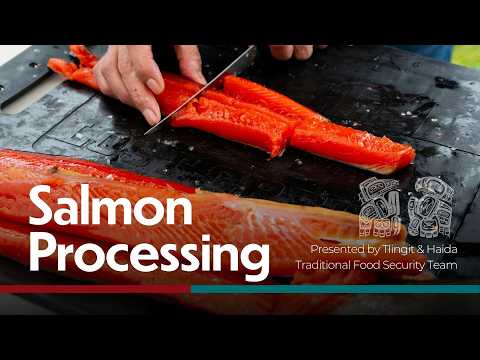
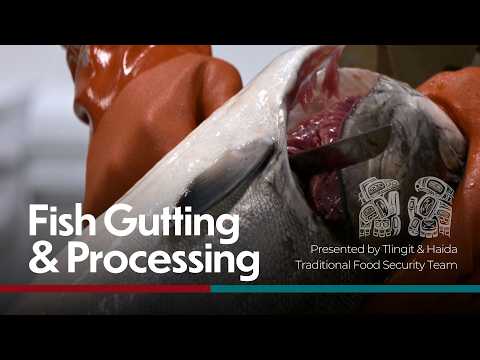
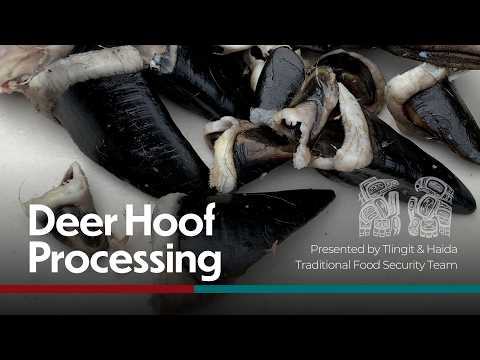
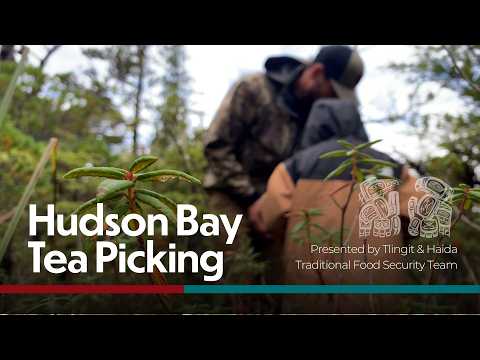
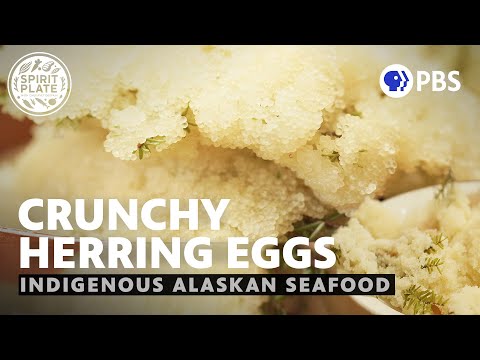
Watch & Learn: Traditional Foods in Action

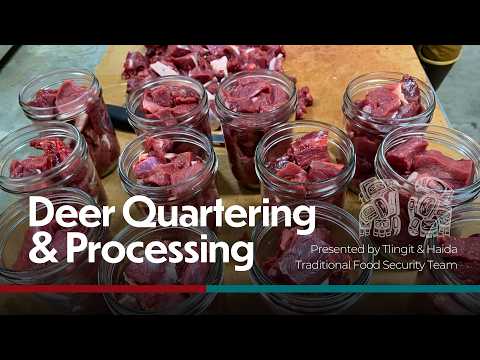
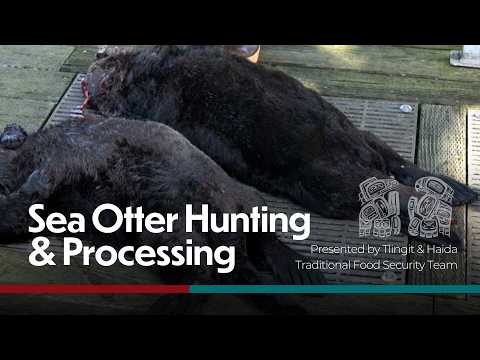
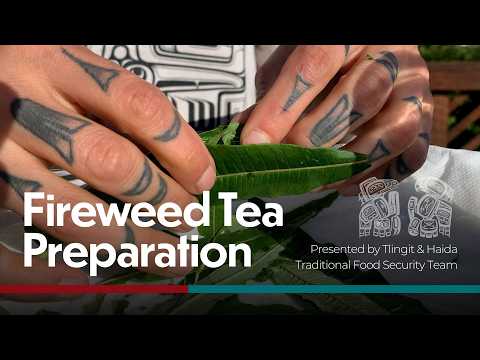
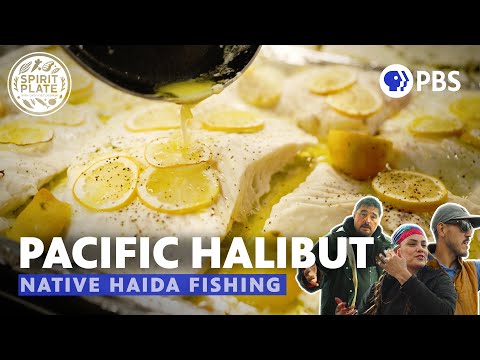
January
- Marine Mammals
- Seals, Otters
- Black Cod
February
- Black Cod
- Marine Mammals
- Clams
March
- Herring Eggs
- Black Cod
- Marine Mammals
April
- Herring Eggs
- Black Cod
- Marine Mammals
May
- Sockeye
- Seaweed
- Shrimp
June
- Sockeye
- King Salmon
- Seagull Eggs
- Shrimp
- Salmonberry
- Beach Asparagus
July
- Deer
- Halibut
- Shrimp
- Huckleberry
- Blueberry
- Salmonberry
- Nagoonberry
- Beach Asparagus
August
- Deer
- Shrimp
- Coho
- Huckleberry
- Blueberry
September
- Deer
- Shrimp
- Hudson Bay Tea
- Blueberry
October
- Deer
- Shrimp
- Halibut
November
- Deer
- Shrimp
- Halibut
December
- Deer
- Shrimp
- Halibut
Hunting
Species
- Sitka Black-Tailed Deer
- Moose
- Mountain Goat
- Bear
- Wolf
- Otter
- Harbor Seal / Sea Lion
Fishing
Species
- Salmon (Chinook, Coho, Sockeye, Pink, Chum)
- Halibut
- Rockfish
- Lingcod
- Pacific Cod & Pollock
- Trout
- Herring
- Crab
- Shrimp
Harvest
Foods
- Blueberry
- Salmonberry
- Red Huckleberry
- Nagoonberry
- Highbush Cranberry
- Beach Asparagus
- Hudson Bay Tea
- Spruce Tip
- Clams (Butter, Horse, Cockle, Littleneck, Softshell)
- Oysters